Black Sesame Paste vs. White Tahini: Unique Flavor & Versatile Uses
In the evolving landscape of global cuisine, two distinct sesame-based pastes are capturing the attention of home cooks and professional chefs alike: the familiar creamy white tahini and the increasingly popular, intensely flavored black sesame paste. While both hail from the humble sesame seed, their differences in preparation, taste, and application are as striking as their contrasting colors. Black sesame paste, often referred to as black tahini, offers a culinary adventure that promises to elevate your dishes, from lattes to savory dips, with its distinctive profile. The exciting news? Crafting a Simple 2-Ingredient Black Sesame Paste: Vegan & Antioxidant Rich at home is incredibly straightforward, unlocking a world of flavor right in your kitchen.
For many in Western cultures, black sesame paste remains a relatively novel ingredient, not yet a common sight on most grocery store shelves. However, its rich heritage in East Asian cuisine, where it's a star in desserts and beverages, and its growing presence in the Middle Eastern culinary scene, reveal its immense potential. This article will delve into what sets black sesame paste apart from its paler cousin, explore its unique characteristics, guide you through making your own, and inspire you with its surprisingly versatile uses.
The Allure of Black Sesame Paste: A Deeper Dive into Flavor and Origin
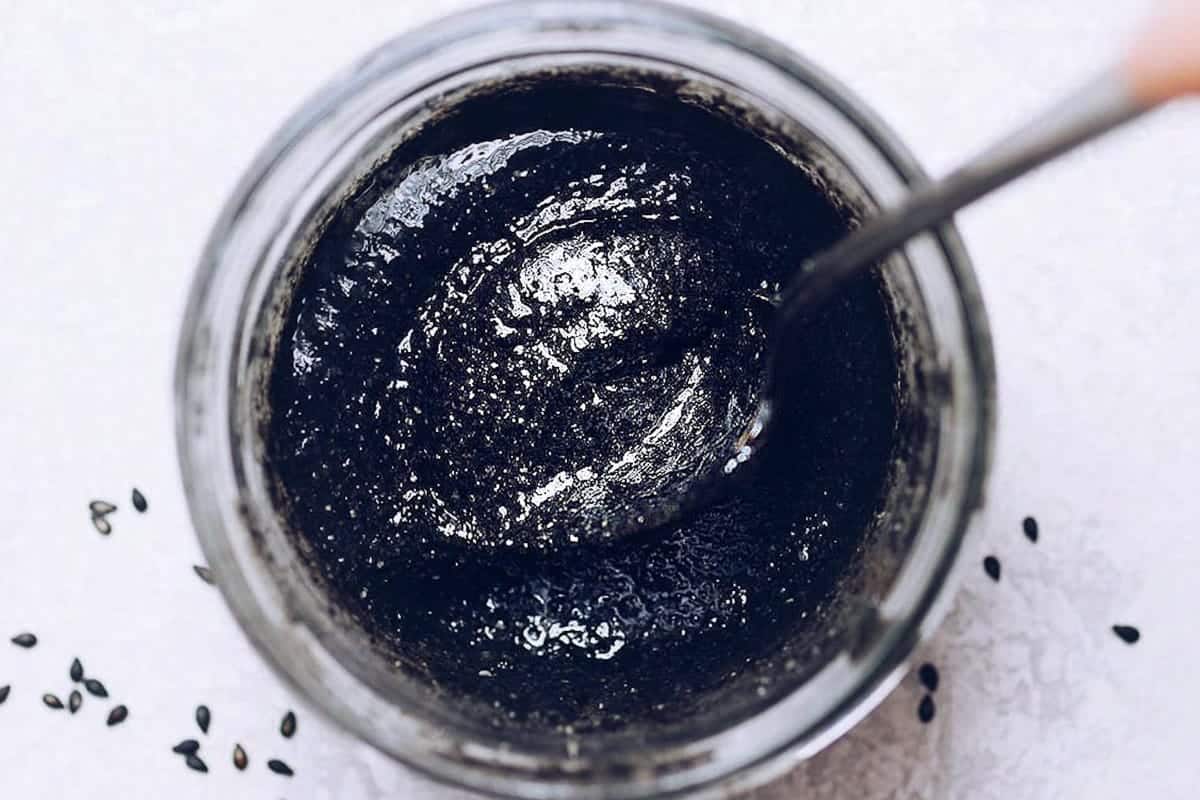
At first glance, the most obvious difference between black sesame paste and white tahini is their color. White tahini, known for its pale, creamy hue, is made from hulled white sesame seeds. Black sesame paste, on the other hand, derives its striking deep black color and more intense flavor from unhulled black sesame seeds. These unhulled seeds contain their outer layer, which not only contributes to the paste's distinctive dark appearance but also imbues it with a more pronounced and complex taste profile.
The flavor of black sesame paste is truly a revelation. Imagine a rich, earthy, and deeply nutty taste, with an intriguing subtle bitterness that isn't off-putting but rather adds depth and sophistication. Some describe it as having an almost "burnt" or roasted quality, yet in the most delicious way – a smoky, caramelized essence that dances on the palate. This stands in stark contrast to white tahini, which typically offers a milder, slightly sweeter, and creamier nutty flavor. If you've never experienced black sesame before, imagine the concentrated essence of toasted sesame, but amplified and deepened by an earthy undertone. It's a flavor that, once discovered, often becomes "addictively good," especially when balanced with a touch of sweetness.
While white tahini is a cornerstone of Middle Eastern and Mediterranean cooking, providing the base for hummus, halva, and various sauces, black sesame paste has a long and storied history in East Asian cuisines, particularly in China, Japan, and Korea. It's a beloved ingredient in traditional desserts like tangyuan (glutinous rice balls with black sesame filling), ice cream, and a popular component in warming drinks and healthy breakfast options. Its increasing appeal in Western kitchens represents a fusion of culinary traditions, inviting new applications and creative pairings.
Beyond Flavor: The Nutritional Edge of Black Sesame
Beyond its captivating flavor, black sesame paste also boasts an impressive nutritional profile, often surpassing that of white tahini in certain aspects. The presence of the hull on black sesame seeds contributes to a higher content of certain beneficial compounds. Research suggests that black sesame seeds are particularly rich in antioxidants, which help combat oxidative stress in the body. They are also an excellent source of calcium, vital for bone health, and provide a good amount of plant-based protein, making this a win-win for both taste and wellness, especially for those following vegan or gluten-free diets. Incorporating a Simple 2-Ingredient Black Sesame Paste: Vegan & Antioxidant Rich into your diet is a delicious way to boost your nutrient intake.
Crafting Your Own Simple Two-Ingredient Black Sesame Paste: A How-To Guide
One of the most appealing aspects of black sesame paste is how incredibly easy it is to make at home. Forget searching for it in specialty stores; with just two ingredients and a good blender, you can have fresh, rich black sesame paste ready in minutes. Making your own ensures you have the freshest product, control over the quality of ingredients, and can adjust the consistency to your liking.
The Ingredients You'll Need:
- Black Sesame Seeds: Opt for high-quality, unhulled black sesame seeds. These are the star of the show.
- Neutral Oil: A light, neutral-flavored oil like sesame oil (to enhance the sesame flavor), grapeseed oil, or a mild vegetable oil works best. The reference context specifically suggests using additional sesame oil to compensate for not toasting the seeds.
The Simple Process:
Unlike making traditional white tahini, which often involves toasting the sesame seeds to release their oils and enhance flavor, many Simple 2-Ingredient Black Sesame Paste: Vegan & Antioxidant Rich recipes, including those referenced, skip the toasting step for black sesame. This is because black sesame seeds have a more robust flavor to begin with, and the addition of oil helps in achieving the desired consistency without needing toasting to coax out the oils. This also means you're potentially retaining more of the raw nutritional benefits.
- Initial Blend: Begin by adding your black sesame seeds to a high-speed food processor or blender. Process them for a couple of minutes until they break down into a coarse, crumbly paste. You'll notice the oils starting to release, but it won't be smooth yet.
- Add Oil & Refine: Now, add your chosen neutral oil. The amount can vary slightly depending on your desired consistency, but start with a conservative amount and add more as needed. Continue blending.
- Achieve Desired Consistency: Keep blending, scraping down the sides of the processor bowl occasionally. The mixture will gradually transform into a smoother, thicker paste. The longer you blend, the runnier it will become. Be patient – it takes time for the seeds to fully break down.
A Note on Texture: Expect a texture that's thicker and perhaps slightly more "tar-like" compared to the silky smoothness of commercial white tahini. This is entirely normal and due to the unhulled nature of the black sesame seeds. This unique consistency makes it exceptionally good for adding body to baked goods and certain drinks.
Storage Tips:
Once made, transfer your homemade black sesame paste into an airtight glass container. It will last beautifully in the refrigerator for up to a month, ready to be incorporated into all your vegan and gluten-free recipes.
Versatile Uses: Beyond the Spread
The culinary possibilities with black sesame paste are vast and exciting. Its unique flavor profile makes it suitable for both sweet and savory applications, allowing for creative experimentation that can truly elevate everyday dishes. While it's certainly fun to experiment, it's worth noting that black sesame paste isn't always a direct 1:1 substitute for white tahini due to its more intense and slightly bitter notes. However, embracing its distinct character opens doors to delightful new culinary experiences.
Sweet Delights:
- Black Sesame Lattes: This is a game-changer! Stir a spoonful of the paste into your morning coffee or hot milk (dairy or plant-based) for a wonderfully rich, nutty, and subtly sweet beverage. It's an instant upgrade that feels gourmet. For more ideas, check out Transform Coffee & Desserts: Easy Homemade Black Sesame Paste Guide.
- Ice Cream & Desserts: Its deep flavor is phenomenal in homemade ice cream, bringing an authentic Asian dessert parlor experience to your home. Swirl it into cheesecakes, puddings, or use it as a filling for mochi or pastries.
- Baked Goods: Incorporate it into cookies, cakes, muffins, or even sweet breads for a striking visual appeal and a unique flavor twist. Imagine black sesame cookies – perfect for adding a touch of spooky elegance for Halloween treats!
Savory Innovations:
- Black Hummus: Swap out white tahini for black sesame paste to create a visually striking and surprisingly delicious black hummus. A drizzle of olive oil completes this dramatic dip.
- Dressings & Dips: Whisk it into salad dressings for a nutty, earthy depth. It makes an excellent base for savory dips served with vegetables or crackers.
- Marinades & Sauces: Its robust flavor can stand up to strong spices in marinades for tofu, tempeh, or vegetables. Create unique sauces for noodles or stir-fries.
The beauty of a Simple 2-Ingredient Black Sesame Paste: Vegan & Antioxidant Rich lies in its ability to transform familiar recipes and inspire entirely new creations. It's about "mixing things up" and discovering what exciting flavors you can create.
Black Sesame Paste vs. White Tahini: A Side-by-Side Comparison
To truly appreciate black sesame paste, it helps to understand its distinct characteristics when placed alongside its more common counterpart, white tahini.
- Seed Type & Processing:
- Black Sesame Paste: Made from unhulled black sesame seeds, often not toasted (when homemade with added oil).
- White Tahini: Made from hulled white sesame seeds, typically toasted.
- Flavor Profile:
- Black Sesame Paste: Intense, earthy, deeply nutty, subtly bitter, sometimes described as "burnt" or smoky.
- White Tahini: Milder, creamy, nutty, slightly sweet.
- Color:
- Black Sesame Paste: Striking deep black.
- White Tahini: Pale, creamy beige.
- Texture:
- Black Sesame Paste: Thicker, denser, sometimes "tar-like" due to the hulls, not as uniformly smooth.
- White Tahini: Smoother, runnier, often pourable.
- Nutritional Highlights:
- Black Sesame Paste: Higher in antioxidants, calcium, and often protein due to the unhulled nature.
- White Tahini: A good source of healthy fats, protein, and various minerals, though often with lower calcium due to hull removal.
- Culinary Applications:
- Black Sesame Paste: Excels in bold, often sweeter applications (lattes, ice cream, Asian desserts) where its strong flavor can shine. Innovative in savory dishes (black hummus, unique dressings).
- White Tahini: A versatile staple in savory Middle Eastern dishes (hummus, baba ghanoush, sauces) and some sweet applications (halva).
While both are incredibly versatile and healthy additions to any diet, understanding these distinctions allows you to choose the right paste for the right culinary moment, or even better, to explore how their contrasting qualities can complement each other in fusion dishes.
Conclusion
Black sesame paste is far more than just a darker version of tahini; it's a unique ingredient brimming with an intense flavor, nutritional benefits, and an incredible versatility that deserves a place in every adventurous kitchen. From its deep, earthy notes to its striking visual appeal, it offers a culinary experience distinct from its white counterpart. The ease of making a Simple 2-Ingredient Black Sesame Paste: Vegan & Antioxidant Rich at home means you can effortlessly tap into its potential for transforming your coffee, desserts, and savory meals.
Whether you're crafting a cozy black sesame latte, experimenting with a dramatic black hummus, or infusing your baked goods with its distinctive character, black sesame paste invites creativity and exploration. So, embrace the darker side of sesame and discover the rich, healthful, and utterly delicious world that awaits.
