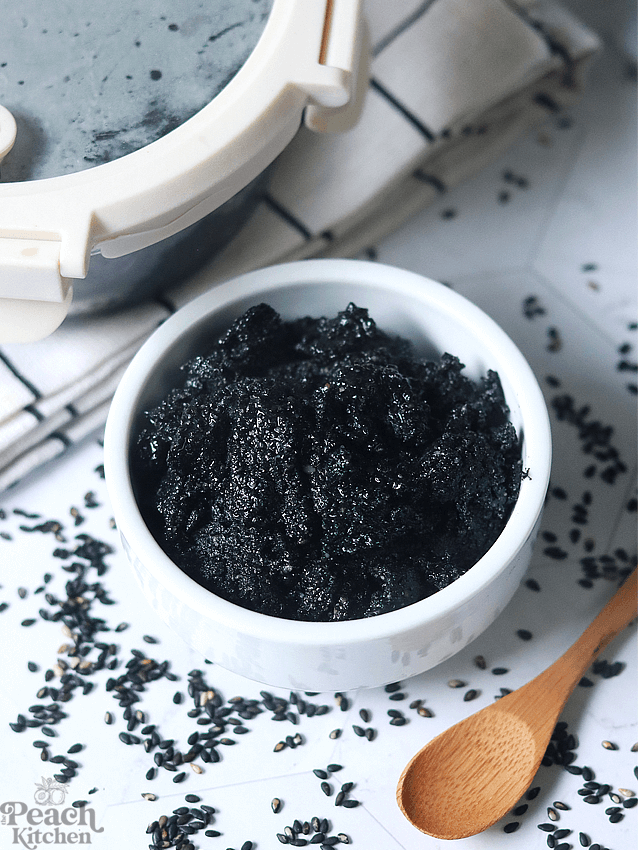
Unlock a world of rich, earthy flavor and vibrant dark hues with a culinary secret that’s taking the Western kitchen by storm: homemade black sesame paste. Forget specialty store prices and discover how incredibly easy it is to create this versatile ingredient right in your own kitchen. Our guide reveals the magic behind a simple two ingredient black sesame paste that will elevate your coffee, transform your desserts, and add an unexpected depth to savory dishes. Prepare to fall in love with its unique profile and endless possibilities!
Embrace the Dark Side: Why Homemade Black Sesame Paste is a Game Changer
There's a certain mystique surrounding black sesame paste, often found gracing the menus of upscale cafes or Asian dessert parlors. But what if we told you that creating this intensely flavorful, darkly beautiful ingredient at home is not only achievable but surprisingly straightforward? The allure of black sesame paste lies in its distinctive taste – a complex blend of nutty, earthy, and a subtle pleasant bitterness, far more pronounced than its white sesame counterpart. This isn't just another spread; it's an experience.
Making your own simple two ingredient black sesame paste offers several compelling advantages. Firstly, you gain complete control over the quality of your ingredients, ensuring you're using fresh, unhulled black sesame seeds for the purest flavor. Secondly, it's often more cost-effective than purchasing pre-made versions, especially if you find yourself using it frequently. And finally, the sheer satisfaction of creating such a gourmet ingredient with minimal effort is incredibly rewarding. This paste is also naturally vegan and gluten-free, making it a fantastic addition to a wide range of dietary preferences.
Beyond its culinary prowess, black sesame seeds boast an impressive nutritional profile. They are celebrated for being rich in antioxidants, offering robust cellular protection. Additionally, they are a good source of calcium and protein, making this paste not just delicious but also a beneficial addition to your diet. Incorporating this into your daily routine, whether stirred into a morning latte or swirled into a dessert, is a delicious way to enjoy these health benefits.
The Simple Two Ingredient Secret: Crafting Your Black Sesame Paste
The beauty of this recipe lies in its minimalist approach. You truly only need two ingredients to achieve a deeply flavorful, velvety smooth (or wonderfully thick, depending on your preference) black sesame paste. Forget complicated steps or a long list of obscure items; simplicity is key here.
What You'll Need:
- Black Sesame Seeds (Unhulled): These are the star of the show. Ensure they are fresh and of good quality for the best flavor. Unlike white sesame seeds used for traditional tahini, we opt for unhulled black seeds, which contribute to the paste's unique color, texture, and more intense flavor.
- Neutral-Flavored Oil (e.g., Sesame Oil or Grapeseed Oil): While some recipes might call for dry roasting black sesame seeds to release their oils, for this simple two ingredient black sesame paste, we bypass that step. Instead, we introduce a small amount of oil to aid in the blending process, helping the seeds transform into a paste more easily and achieving that desired consistency. Sesame oil naturally enhances the sesame flavor, but a neutral oil like grapeseed works well too if you prefer a milder taste or have a preference for other oils.
The Easy Steps:
- Initial Blend: Begin by adding your black sesame seeds to a high-speed blender or food processor. Process the seeds for a couple of minutes until they break down into a coarse, crumbly paste. You’ll notice the seeds starting to release their natural oils, and a rich aroma will fill your kitchen. This initial grinding is crucial for achieving a smooth final product.
- Add the Oil: Once you have a crumbly texture, it’s time to introduce your chosen oil. Start with a smaller amount (e.g., 1-2 tablespoons per cup of sesame seeds) and process again.
- Achieve Desired Consistency: Continue blending, scraping down the sides of the processor bowl as needed. The longer you blend, the smoother and runnier your paste will become. Be patient; it might take a few minutes for the magic to happen. The texture of black sesame paste is often thicker and more "tar-like" than traditional white tahini due to the unhulled seeds, but don't let that deter you – this unique consistency is perfect for many applications, especially in baked goods where it adds body and moisture.
For detailed comparisons on how this creation stands apart, you might be interested in our article on Black Sesame Paste vs. White Tahini: Unique Flavor & Versatile Uses.
Storage Tips:
Once your black sesame paste is ready, transfer it to an airtight glass container. It can be stored in the refrigerator for up to a month, allowing you plenty of time to explore its many uses. Its robust flavor ensures it remains potent even after weeks of storage.
Beyond the Basics: Creative Ways to Use Your Black Sesame Paste
With a jar of your freshly made simple two ingredient black sesame paste, you're now equipped to embark on a delightful culinary adventure. Its distinct flavor profile makes it incredibly versatile, lending itself beautifully to both sweet and savory creations.
Transform Your Beverages:
- Black Sesame Lattes: This is arguably one of the most popular and enchanting uses. Stir a spoonful of paste into your warm milk (dairy or non-dairy), sweeten to taste, and add a shot of espresso for a captivating, aromatic latte. The deep color and nutty notes create an incredibly sophisticated drink.
- Smoothie Booster: Add a tablespoon to your morning smoothie for an extra boost of nutrients and a complex, earthy flavor. It pairs wonderfully with banana, chocolate, or berry-based smoothies.
Elevate Your Desserts:
- Ice Cream & Frozen Treats: Swirl it into homemade ice cream bases or blend it into milkshakes for an exotic, deeply flavorful treat. Its rich consistency adds a luxurious mouthfeel.
- Baking Brilliance: Incorporate it into cookie dough, brownie batter, or cake mixes. It imparts a beautiful dark hue and a unique depth of flavor that complements chocolate, vanilla, and even matcha. Think black sesame mochi, cheesecakes, or shortbread cookies!
- Sweet Fillings & Spreads: Use it as a filling for tangyuan (glutinous rice balls), mooncakes, or as a sophisticated spread for toast or crepes, often paired with a drizzle of honey or a sprinkle of sugar.
Intriguing Savory Applications:
- Black Hummus: For a striking and flavorful twist, substitute some of your regular tahini with black sesame paste in your hummus recipe. The result is a dramatic, visually appealing dip with an enhanced nutty flavor.
- Dressings & Sauces: Whisk it into salad dressings, noodle sauces, or marinades for roasted vegetables or tofu. It adds a wonderful umami depth and a hint of bitterness that balances other flavors beautifully.
- Dips & Spreads: Serve it alongside crudités or pita bread, perhaps mixed with a little soy sauce, rice vinegar, and a touch of maple syrup for a savory-sweet dip.
Don't be afraid to experiment! The unique character of black sesame paste encourages culinary creativity, inviting you to mix things up and see what incredible combinations you can discover.
The Distinctive Charm: Black Sesame Paste vs. White Tahini
While often compared, black sesame paste and white tahini are distinct entities with their own unique characteristics. Understanding these differences is key to appreciating the specific role each plays in the culinary world.
The primary difference lies in the sesame seeds themselves. White tahini is made from hulled white sesame seeds, meaning the outer shell has been removed. This results in a milder, creamier, and often smoother paste. Black sesame paste, on the other hand, is crafted from unhulled black sesame seeds. The presence of the hull contributes significantly to its darker color, more intense flavor profile (often described as more robust, slightly bitter, and even "burnt" in a pleasant way), and a thicker, almost "tar-like" consistency. This thicker texture is why it excels in baked goods, providing body and moisture.
Flavor-wise, black sesame paste offers a more assertive, nutty, and earthy taste that stands out, whereas white tahini provides a subtle backdrop, often blending more seamlessly into dishes. While both are incredibly versatile, they are not always directly interchangeable if you're aiming for a specific flavor or visual impact. The bold statement of black sesame paste makes it a star ingredient, rather than a supporting character, making it ideal for those moments when you want to truly showcase its unique essence.
Conclusion
Crafting your own simple two ingredient black sesame paste is more than just a recipe; it's an invitation to explore new flavors and elevate your home cooking. From transforming your morning coffee into an exotic delight to adding a touch of sophisticated drama to your desserts and savory dishes, this homemade paste is a versatile powerhouse. Its rich taste, striking appearance, and impressive nutritional benefits make it a must-try for any adventurous home cook. So, gather your black sesame seeds, fire up your blender, and prepare to be captivated by the deep, delicious world of black sesame paste.
